
Introduction
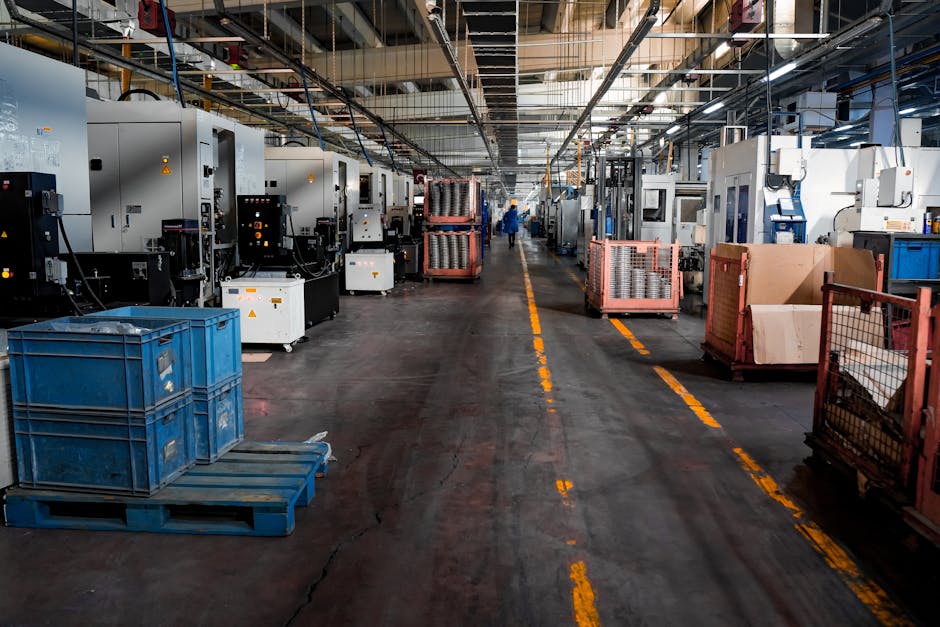
In the bustling industrial hub of Toronto, manufacturing factories continually strive for efficiency, reliability, and innovation. At the heart of many manufacturing processes is a vital piece of equipment: the air compressor. Air compressors power a wide range of applications, from driving pneumatic tools to controlling automated systems. Beyond their basic function, air compressors are evolving with technological advances, unlocking new levels of operational excellence. In this article, we dive into the importance of air compressors in the manufacturing industry and explore how the latest trends can drive improved performance and cost savings.
The Backbone of Manufacturing Operations
Air compressors serve as a backbone in manufacturing operations. They provide the power for essential machinery, affecting everything from assembly lines to quality control systems. The versatility of air compressors makes them indispensable, whether in automotive manufacturing, food processing, or electronics assembly. Their ability to deliver reliable and consistent power ensures seamless operations critical to maintaining productivity and meeting output goals.
Embracing Energy Efficiency with Variable-Speed Drives
Energy efficiency is a top priority for manufacturers looking to reduce costs and environmental impact. By adapting to variable-speed drives (VSDs), manufacturers can significantly enhance energy efficiency. Unlike traditional compressors that operate at full capacity regardless of demand, VSDs adjust the motor speed to match the production need, only consuming the electricity required. This not only results in substantial energy savings but also extends the equipment's lifespan, reducing maintenance costs.
Smart Monitoring and Predictive Maintenance
Unplanned downtime can severely disrupt manufacturing schedules, leading to costly delays. Implementing smart monitoring systems can mitigate this risk. Through the use of IoT and advanced analytics, these systems provide real-time insights into compressor performance and health. This data facilitates predictive maintenance, allowing businesses to address potential issues before they escalate into emergency breakdowns. Reducing downtime not only preserves productivity but also optimizes maintenance budgets.
Advantages of Modular Aluminum Piping
To maximize compressor efficiency, invest in modular aluminum piping. Unlike traditional materials, modular aluminum reduces pressure drops and eliminates leaks, improving air flow and reducing energy consumption. This system is not only quick to install but also easy to modify, making it ideal for facilities anticipating future growth. As the market is projected to expand significantly from 2022 to 2027, scalable solutions will be essential.
Oil-Free Compressors for Sensitive Industries
Certain industries, such as pharmaceuticals and food processing, demand stringent standards to avoid contamination. For these sectors, oil-free compressors are a game-changer. These compressors eliminate the risk of oil contamination, ensuring compliance with strict industry standards and protecting product integrity. By choosing oil-free solutions, manufacturers can safeguard their brand's reputation while meeting the growing demand for quality and safety.
Conclusion
Air compressors aren't just auxiliary tools in manufacturing; they're pivotal to operational success. By integrating modern technologies and adopting strategies like variable-speed drives, smart monitoring, and modular piping, manufacturers can enhance efficiency, reliability, and cost-effectiveness. As the manufacturing landscape continues to evolve, staying informed of these trends can be a key driver in maintaining a competitive edge. For Toronto-based manufacturers looking to boost their operations, investing in the latest compressor technologies is a step towards sustaining growth and innovation.